Living in Malta in 2026: The Ultimate Expat Guide
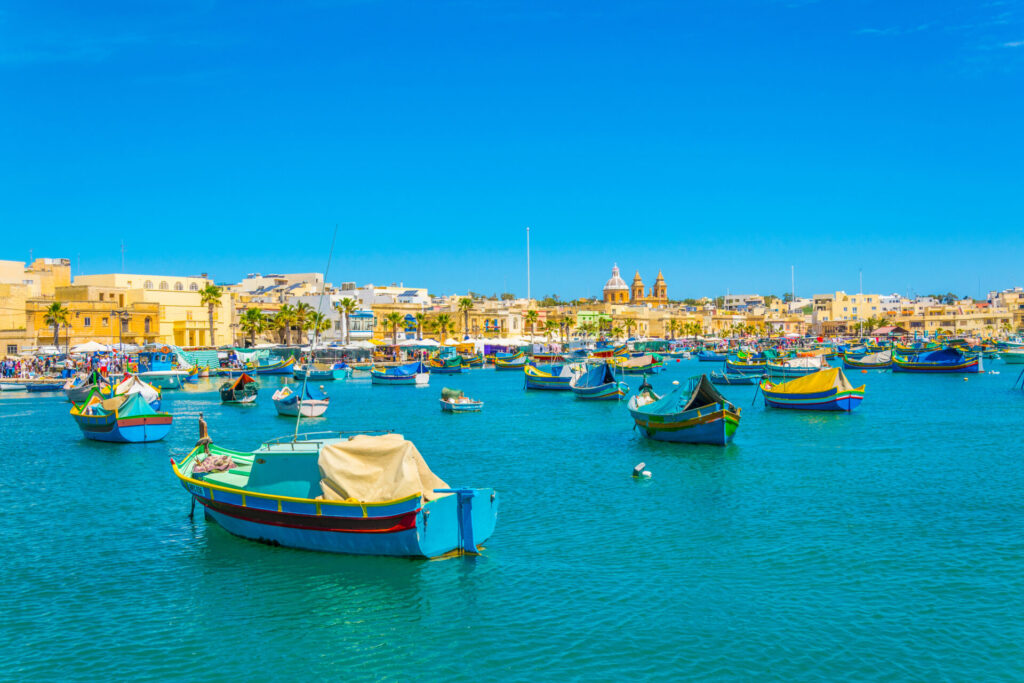
Malta continues to stand out as one of Europe’s most appealing destinations for expats in 2026. With its Mediterranean climate, English-speaking population, and growing economy, the island offers a compelling mix of career opportunity and lifestyle benefits.
Whether you’re relocating for work, planning retirement, or exploring remote living, understanding what life in Malta really looks like today will help you make a confident and informed decision.
What Is the Cost of Living in Malta in 2026?
The cost of living in Malta has risen steadily over the past few years, largely due to increased demand for housing and broader inflation across Europe. While it’s no longer a low-cost destination, it still compares favourably to many Western European countries.
Most expats earn between €1,800 and €2,400 per month, depending on their sector and experience. For a single person, a realistic monthly budget sits between €1,700 and €2,300, while families should expect to spend closer to €4,000 or more.
The main costs to consider include:
Rent: €1,000 – €1,600 for a one-bedroom in central areas
Utilities: €100 – €180 depending on usage
Groceries: €450 – €700 per month for a couple
Dining out: €20 – €30 per person at a mid-range restaurant
Housing remains the biggest expense, particularly in popular expat areas such as Sliema and St. Julian’s. Looking slightly outside these hotspots can make a noticeable difference to your monthly budget.
Job Opportunities and the Maltese Economy
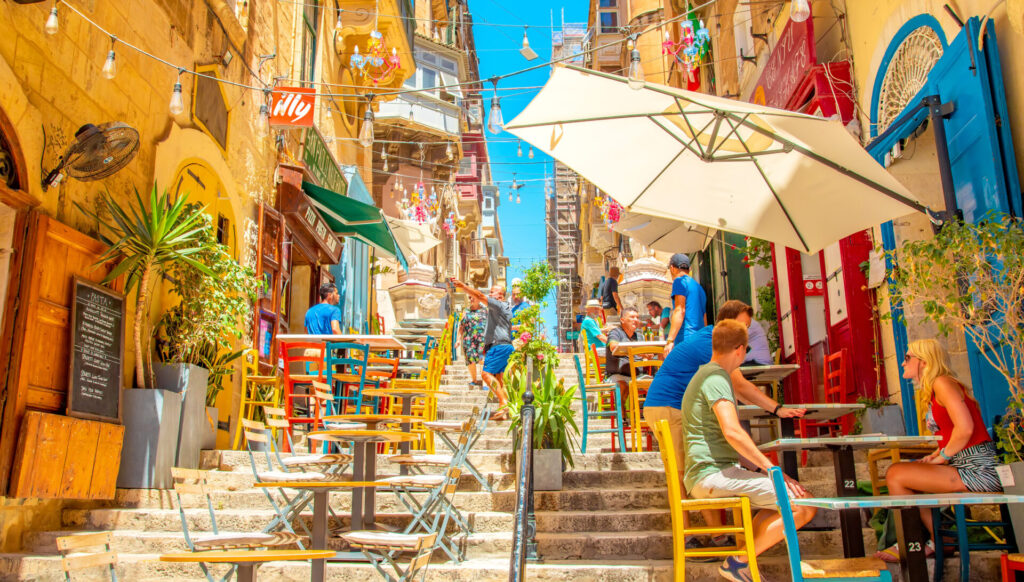
Malta’s economy remains strong in 2026, with several industries actively seeking international talent. The country has built a reputation as a hub for iGaming and financial services, while newer sectors like fintech and AI are expanding rapidly.
Some of the most in-demand sectors include:
iGaming and online betting companies
Finance and fintech services
Technology and digital startups
Tourism and hospitality
Healthcare and education
In addition, remote work continues to reshape the job market. Malta has become increasingly attractive to freelancers and digital nomads thanks to its lifestyle and connectivity. The Nomad Residence Permit allows non-EU citizens to live in Malta while working remotely for overseas clients or employers.
For official employment and visa information, check out the Identity Malta or Jobsplus websites.
Housing Market Trends in Malta
Malta’s property market continues to be one of the biggest considerations for expats. Demand remains high, particularly in central and coastal locations, which has pushed both rental and purchase prices upward.
At the same time, the market is evolving. Current trends include:
Rising demand for modern apartments and serviced residences
Continued growth in luxury developments
Increased focus on energy-efficient and sustainable housing
More interest in alternative locations like the north of Malta and Gozo
Foreign investment and residency schemes have played a significant role in shaping the market, bringing both opportunities and affordability challenges.
Lifestyle, Climate, and Daily Life
Lifestyle is one of Malta’s biggest selling points. With over 300 days of sunshine per year, it offers one of the most reliable climates in Europe.
Summers are long, hot, and dry, often reaching above 35°C, while winters remain mild and rarely drop below 10°C. This makes outdoor living a central part of daily life.
Expats are drawn to Malta for several lifestyle reasons:
English is widely spoken, making integration easy
A large international community provides strong social networks
A relaxed Mediterranean pace of life
Easy access to beaches, restaurants, and cultural sites
That said, there are trade-offs. Traffic congestion and ongoing construction are common concerns, particularly in busy urban areas.
Residency and Citizenship in Malta
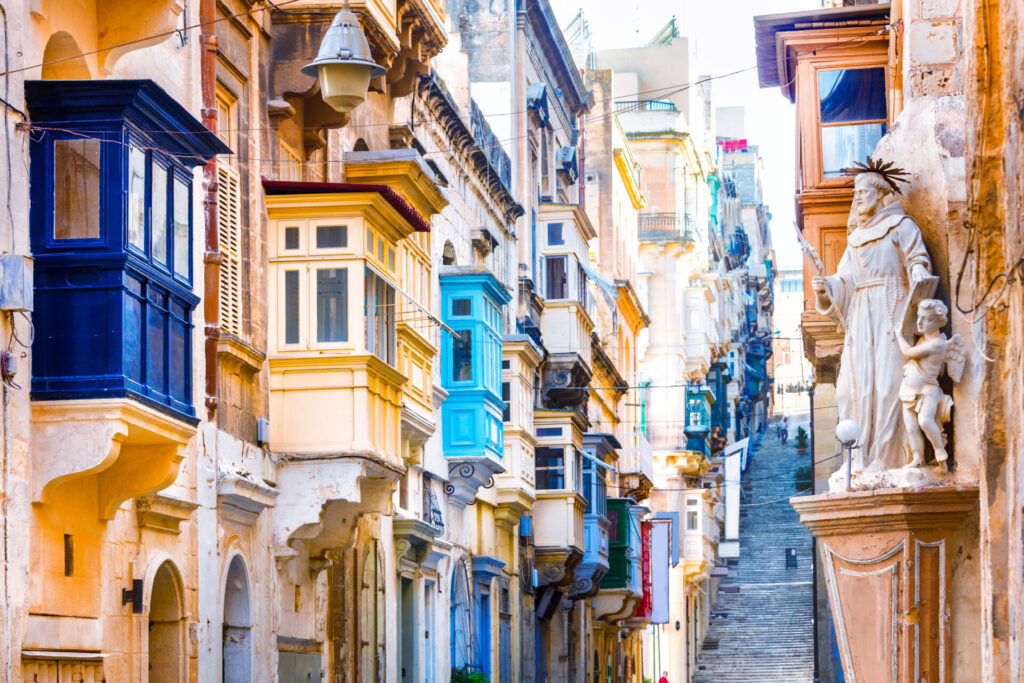
Malta offers a range of residency options depending on your nationality and long-term plans. EU citizens benefit from a relatively simple process, while non-EU nationals need to apply through specific visa or residency routes.
The most common options include:
Work-based residency permits
Nomad Residence Permit for remote workers
Family reunification schemes
For those planning to stay long-term, citizenship is available through several pathways:
Naturalisation after at least 5 years of residency
Citizenship by investment (with significant financial requirements)
Eligibility through marriage or Maltese descent
Maltese citizenship provides full EU rights, including the ability to live and work across all EU member states.
For official details, visit this website.
Infrastructure and Recent Developments
Malta continues to modernise, though infrastructure development remains a work in progress. Public transport is improving, and discussions around a future metro system are ongoing as the government looks to address congestion.
Recent developments include:
Continued upgrades to the bus network
Long-term planning for a potential metro system
Expansion of solar energy and sustainability initiatives
New regulations promoting eco-friendly construction
However, rapid urban development has also raised concerns about overbuilding and environmental impact, particularly in more rural areas like Gozo.
Is Malta the Right Choice for You?
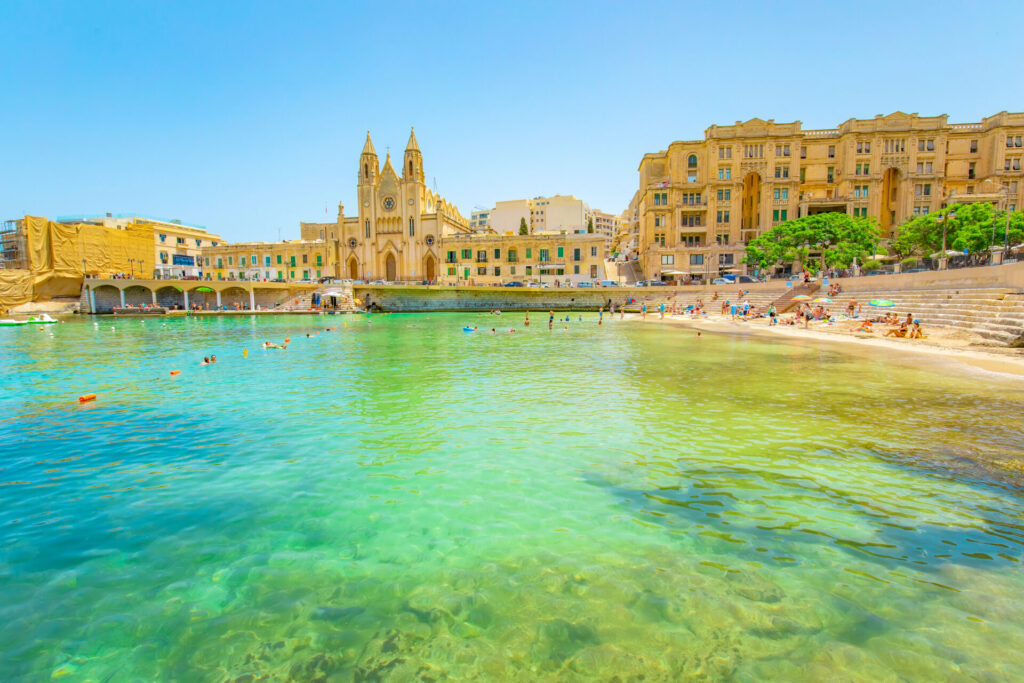
Malta offers a unique combination of professional opportunity and lifestyle appeal, but it’s not the perfect fit for everyone.
It may be the right choice if you are:
A professional in finance, tech, or iGaming
A remote worker or digital nomad
A retiree looking for a warm European base
You may want to think carefully if you prioritise:
Low-cost living
Quiet, rural surroundings
Minimal traffic and development
Relocating to Malta in 2026 can be an incredibly rewarding move, offering a high quality of life, strong career prospects, and year-round sunshine. However, like any international move, it requires careful planning—particularly when it comes to finances, housing, and residency options.
With over 20 years of experience as overseas financial advisers, we understand the complexities involved in moving abroad and managing your wealth internationally.
Contact us today for a free consultation and let us help you plan a secure and successful future in Malta.